The Winter War Sniper: How Simo Häyhä Changed Military Doctrine Forever
In just 100 days, one Finnish farmer using iron sights became the deadliest sniper in history and forced armies worldwide to rethink marksmanship training.
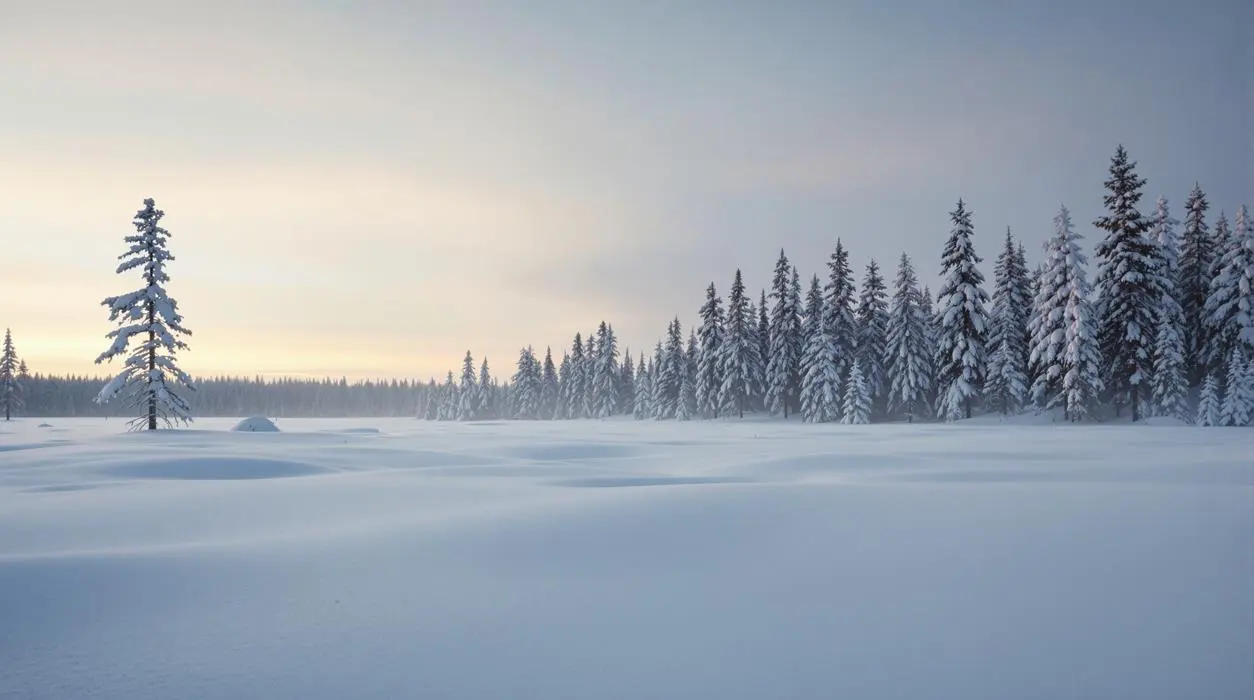
Table of Contents
Simo Häyhä was a farmer and hunter from the small town of Rautjärvi in what was then Finland. By the time he finished his military service in 1925, there was little to suggest he would become the most lethal sniper in the history of warfare. The Winter War changed everything.
The Invasion
On November 30, 1939, the Soviet Union invaded Finland with overwhelming numerical superiority — approximately 450,000 troops against Finlands army of roughly 180,000. The Soviets expected a quick victory. Instead, they encountered fierce resistance in one of the harshest winters on record, with temperatures regularly dropping below -40°C.
The White Death Emerges
Häyhä, assigned to the 34th Infantry Regiment, quickly distinguished himself. Dressed in white camouflage, he would venture into no-mans-land alone, carrying only his M/28-30 rifle — a Finnish variant of the Mosin-Nagant — and a Suomi KP/-31 submachine gun for close-range encounters.
Crucially, Häyhä refused to use a telescopic sight. He understood that scope lenses could reflect sunlight and reveal his position, and that the higher profile required by a scope made the shooter more visible. He also knew that scopes could fog in extreme cold. Instead, he relied on iron sights, which he had mastered through years of hunting in the Finnish wilderness.
Fieldcraft as Art
Häyhäs methods were methodical and patient. He would pack snow around his position to conceal muzzle flash and prevent snow from being disturbed by the rifles report. He would hold snow in his mouth to prevent his breath from betraying his location. He would pour water on the snow in front of his position so that his rifle report would not kick up loose powder.
He often operated in temperatures so cold that he had to keep his rifle action from freezing by ensuring minimal lubrication. He understood the trajectory of his rifle intimately, adjusting for the extreme colds effect on ammunition velocity. Every detail of his craft was honed through experience and survival instinct.
The Toll and the Legend
By the time the Winter War ended in March 1940, Häyhä had accumulated over 500 confirmed kills in less than 100 days — an average of more than five per day. On March 6, 1940, he was severely wounded by an explosive bullet that shattered his jaw. He woke from an 11-day coma on the day the peace treaty was signed.
Häyhä survived and lived to the age of 96, passing away in 2002. He rarely spoke of his wartime experiences, maintaining the quiet humility that had characterized him before the war.
Legacy and Doctrine
The Winter War and snipers like Häyhä forced military establishments worldwide to reconsider their approach to marksmanship training. The Soviet Union, having suffered enormous casualties from Finnish snipers, dramatically expanded its own sniper program — a decision that would have profound consequences on the Eastern Front of World War II.
Modern sniper training still reflects lessons learned from Häyhäs methods: the primacy of fieldcraft and concealment, the value of patience and discipline, and the understanding that the rifle is only one component of the snipers craft.